
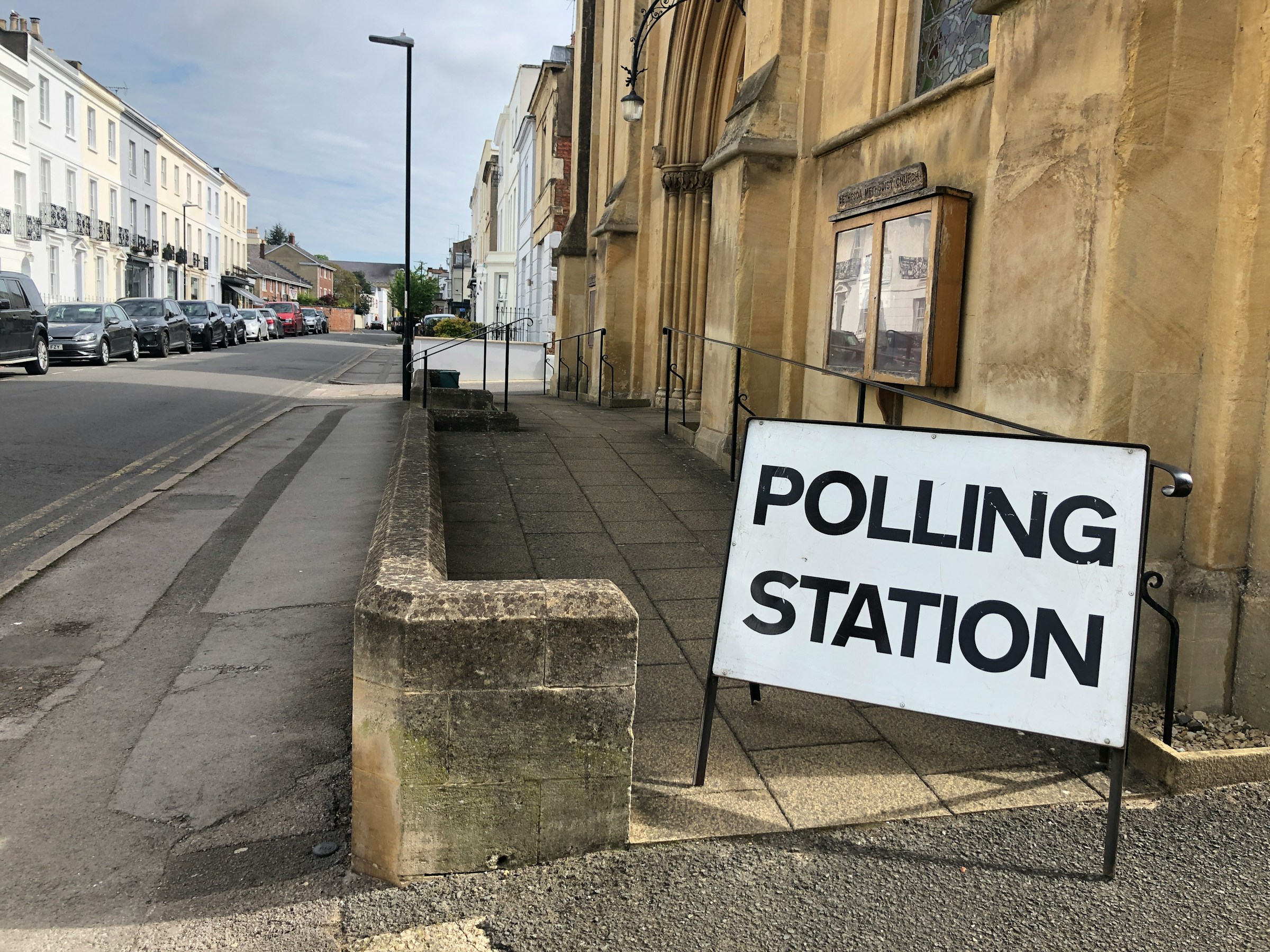
As an 18-almost-19-year-old gay man, this year’s elections have been on my mind a lot. Friends have said that I’m overreacting – too obsessed with politics, too focused on campaigning, and too desperate to try and convince people to vote a certain way and stop Reform from gaining seats.
But, from my perspective, that fear does not come from nowhere. Rather, it comes from thinking about the future and wondering how secure any of our rights are. What happens if the Equality Act is scrapped? Could the right to marry or adopt come under threat? Even if some of these possibilities seem distant, the fact that these topics enter the political discourse is enough to create anxiety.
For many people from minority backgrounds – whether they be LGBTQ+ or ethnic minorities – politics is not an abstract debate or something confined to political circles in government. Instead, it shapes our everyday life. It shapes whether we feel protected, represented, and safe. And growing up online, with access to political commentary, culture wars, and hostile rhetoric, it can feel impossible to switch off.
Over time, I began to realise that carrying the weight of the election on my shoulders had started to take a toll on my mental health: constantly checking polling updates, reading political arguments, and feeling responsible for the outcome became exhausting. Yes, campaigning matters. Raising awareness matters. Grassroots action matters. Doing everything to oppose divisive, right-wing politics matters. But feeling personal responsibility for the outcome is unhealthy.
And it made me think: how many other people from minority communities are experiencing fear and uncertainty? How many LGBTQ+ people, ethnic minorities, immigrants, and other marginalised groups are carrying severe anxiety about what the future could look like for them? Elections do not just determine governments; they shape people’s sense of belonging in society.
For some people, elections are about tax, transport, and the economy, whilst for others, they are tied to identity, dignity, and the fear of losing progress that generations before us fought to achieve. Carrying that emotional weight is something that people from outside of minority communities often fail to fully recognise.
None of this means disengaging. If anything, it shows why participating matters so much. But there’s also a difference between being engaged and allowing fear to consume you entirely – and that’s what I’ve struggled with over the last few months. I’ve come to realise that progress requires grassroots, collective action, not me carrying unbearable pressure alone. Solidarity is healthier than isolation.

Leave a Reply